

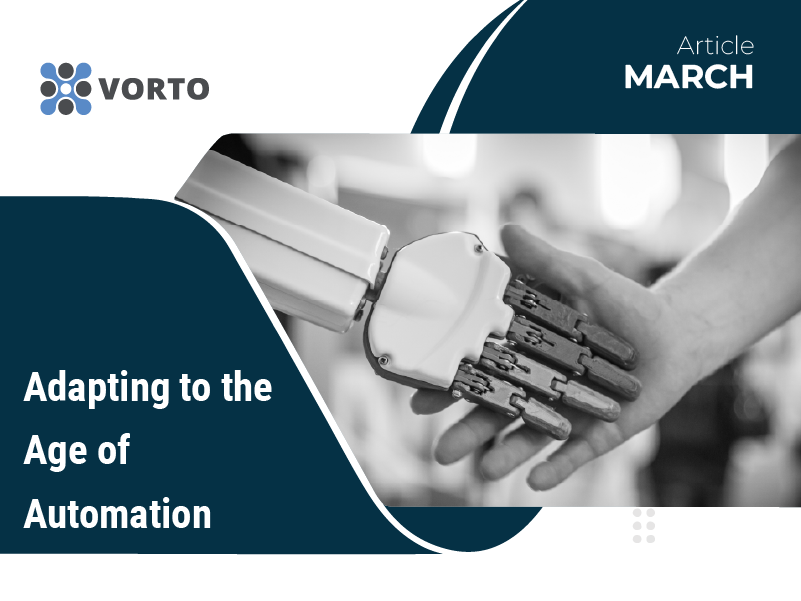
Adapting to the Age of Automation
In today’s rapidly evolving digital environment, automation and artificial intelligence are becoming an integral part of everyday life. What was once considered advanced technology used only in specialized industries is now embedded in common tools, devices, and services that people interact with daily. From smart assistants and recommendation algorithms to automated banking systems and navigation tools, these technologies are quietly reshaping how individuals manage their time, access information, and make decisions.
Understanding how automation influences daily life is increasingly important. While these technologies are designed to simplify tasks and improve efficiency, adapting to them requires awareness of both their benefits and their limitations. Much like lifestyle habits shape productivity and well-being, the way people interact with automated systems can influence how effectively they navigate modern life.
Automation as a Daily Convenience
One of the most noticeable benefits of automation is the convenience it brings to everyday activities. Many routine tasks that once required manual effort can now be completed automatically through digital tools and intelligent systems.
Smartphones organize schedules, send reminders, and filter emails. Navigation apps automatically adjust routes based on traffic conditions, saving time during daily commutes. Online platforms recommend movies, music, and products based on personal preferences. These systems analyze patterns in user behavior to deliver tailored experiences that reduce the effort required to find information or complete routine tasks.
While these tools save time and simplify decision-making, they also highlight how deeply automation is becoming woven into daily routines.
Smart Homes and Connected Living
Automation is increasingly visible within the home environment. Smart devices can regulate lighting, temperature, and security systems automatically, creating living spaces that respond to individual habits and schedules.
For example, smart thermostats can adjust temperatures based on when people are typically at home, improving both comfort and energy efficiency. Voice-controlled assistants allow users to manage household tasks, play music, or control connected devices without needing to manually interact with multiple systems.
These technologies illustrate how automation is moving beyond workplaces and into personal environments, gradually transforming how households operate.
AI and Everyday Decision-Making
Artificial intelligence also plays a growing role in shaping everyday decisions. Algorithms determine which posts appear in social media feeds, which articles are recommended online, and which advertisements are displayed to users.
These systems analyze large amounts of data to personalize digital experiences. By filtering vast quantities of information, AI helps individuals quickly find content that aligns with their interests.
However, relying heavily on algorithm-driven suggestions can also limit exposure to new perspectives. Adapting to automated systems involves recognizing their influence and maintaining an active role in personal decision-making.
Automation in Work and Productivity
Automation is not limited to personal technology; it is also transforming professional environments. Many workplaces now use automated systems to manage administrative tasks, analyze data, and streamline communication.
Software tools can organize schedules, generate reports, and process large volumes of information in seconds. By handling repetitive tasks, automation allows employees to focus on activities that require creativity, strategic thinking, and human judgment.
Rather than replacing human contributions entirely, automation often enhances productivity by enabling people to dedicate more time to complex and meaningful work.
Balancing Efficiency with Awareness
As automation becomes more integrated into everyday life, maintaining a balanced relationship with technology is essential. While automated systems improve efficiency, overreliance can lead to reduced awareness of how decisions are being made.
Understanding how automated tools function, protecting personal data, and maintaining critical thinking are important aspects of adapting to an increasingly automated environment. Responsible use of technology ensures that individuals remain in control while still benefiting from the efficiencies automation provides.
A Future Shaped by Collaboration
The integration of automation and artificial intelligence into daily life will continue to accelerate in the coming years. As technology evolves, individuals will encounter even more systems designed to assist with tasks, manage information, and support decision-making.
Adapting to this age of automation is not about resisting change but learning to collaborate with technology effectively. When used thoughtfully, automated systems can enhance productivity, simplify daily routines, and create opportunities for innovation.
Ultimately, the goal is not to replace human involvement but to complement it. By combining human judgment with intelligent technology, individuals and organizations can navigate the automated world in a way that supports both efficiency and meaningful progress.